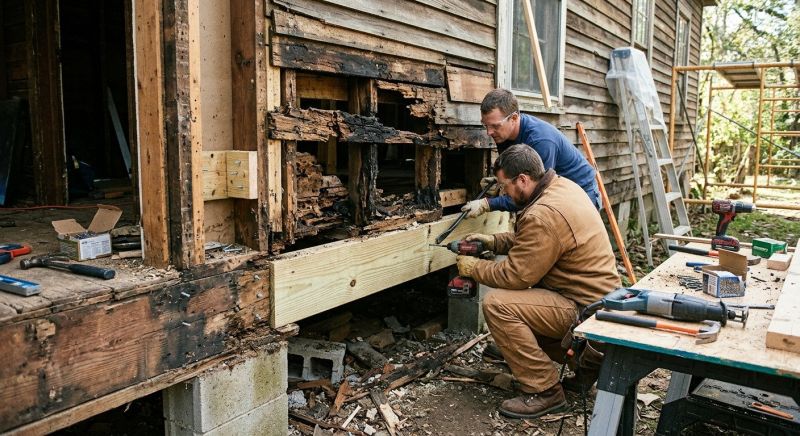
Wood Rot Removal in Longmont, CO
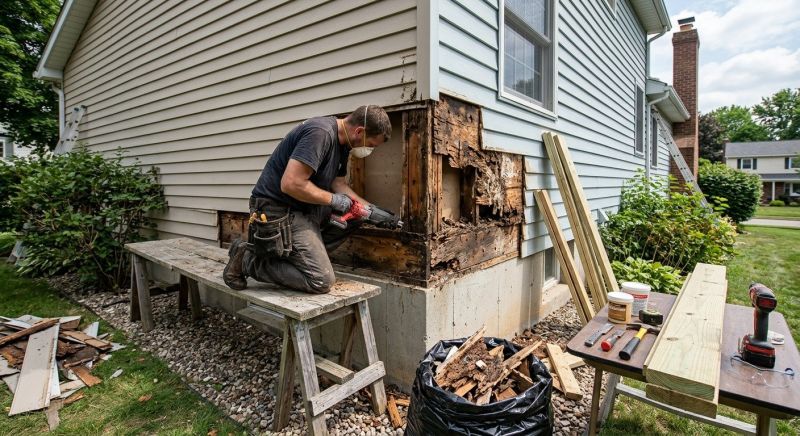
Wood rot removal services focus on identifying and eliminating decayed wood caused by moisture, fungi, or pests that can compromise the structural integrity of a property. These services typically cover areas such as decks, porches, window frames, door jambs, siding, and other wooden components that may be affected by rot. Homeowners often request this service when they notice signs of deterioration, such as softness, discoloration, or crumbling wood, and want to restore the safety and appearance of their property.
Before requesting wood rot removal, property owners usually want to understand the extent of the damage and whether affected wood can be repaired or needs replacement. It’s also helpful to know about the causes of rot, like leaks or poor drainage, to prevent future issues. Clear communication about the scope of work, including the removal process, treatment options, and potential for ongoing maintenance, can help ensure the project addresses both current damage and future protection.
Many property owners in Longmont, CO look into Wood Rot Removal for repairs, replacements, upgrades, and appearance-related improvements.
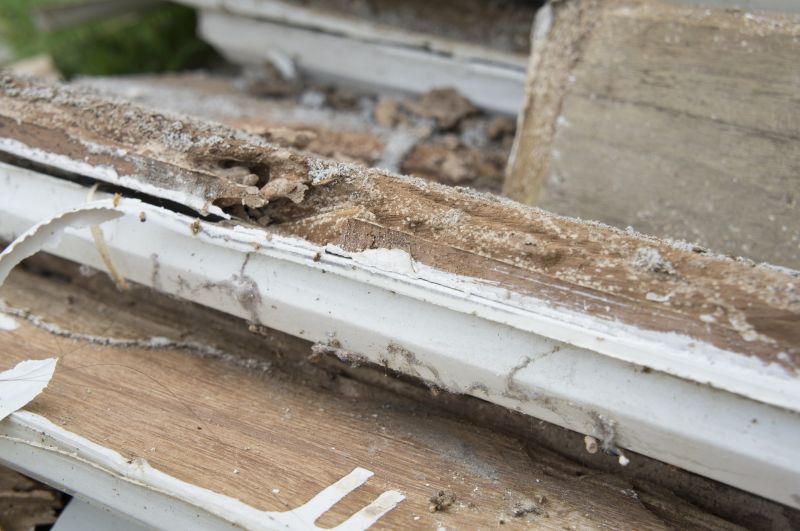
Signs Of Wood Rot
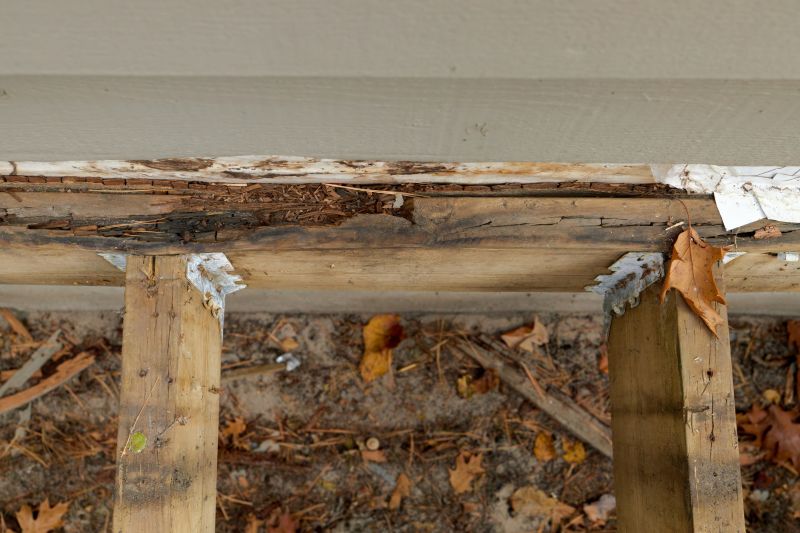
Visible decay, soft spots, and discoloration indicate wood rot issues that may need attention.
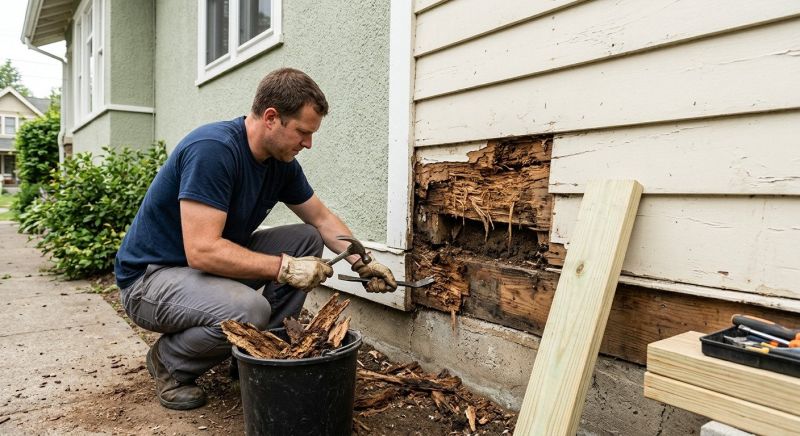
Common Areas Affected
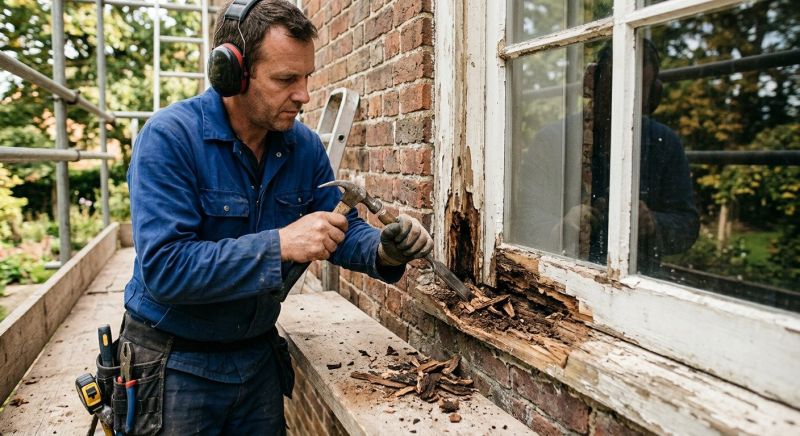
Wood rot often affects decks, fences, window frames, and roof structures in longmont homes.
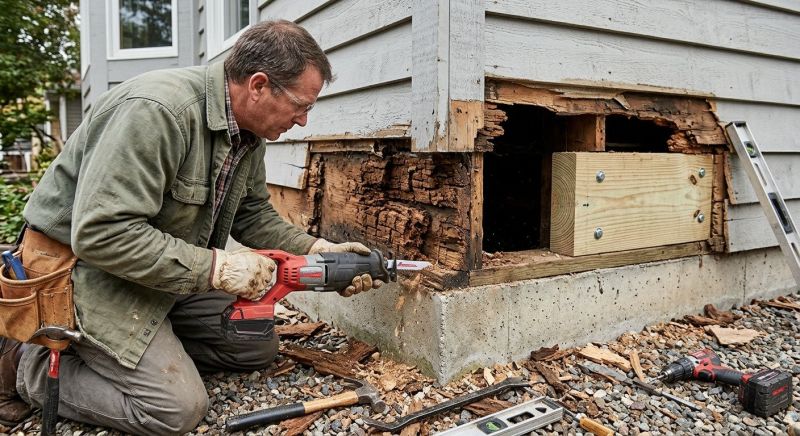
Importance Of Removal
Removing rotted wood helps prevent further damage and maintains the safety and integrity of the property.
Wood Rot Removal in Longmont, CO

Wood rot removal services focus on identifying and eliminating decayed wood caused by moisture, fungi, or pests that can compromise the structural integrity of a property. These services typically cover areas such as decks, porches, window frames, door jambs, siding, and other wooden components that may be affected by rot. Homeowners often request this service when they notice signs of deterioration, such as softness, discoloration, or crumbling wood, and want to restore the safety and appearance of their property.
Before requesting wood rot removal, property owners usually want to understand the extent of the damage and whether affected wood can be repaired or needs replacement. It’s also helpful to know about the causes of rot, like leaks or poor drainage, to prevent future issues. Clear communication about the scope of work, including the removal process, treatment options, and potential for ongoing maintenance, can help ensure the project addresses both current damage and future protection.
Many property owners in Longmont, CO look into Wood Rot Removal for repairs, replacements, upgrades, and appearance-related improvements.
Common Wood Rot Removal Jobs
Wood Rot Repair - replacing and restoring damaged wood to maintain structural integrity.
Deck and Porch Restoration - removing rotted wood to ensure safety and longevity.
Siding and Trim Replacement - replacing compromised wood to improve curb appeal and protect against future damage.
Foundation and Framing Repairs - addressing wood rot that threatens the stability of the property.
Fence and Gate Restoration - fixing rotted wood to enhance privacy and security.
Roof and Eaves Repair - removing decayed wood to prevent leaks and further deterioration.
Wood Rot Removal Questions
What is wood rot removal? Wood rot removal involves identifying and eliminating decayed wood to prevent further damage and restore structural integrity.
What types of projects typically require wood rot removal? Common projects include repairing rotted window frames, porch posts, siding, and deck supports affected by moisture damage.
How can homeowners prevent wood rot? To prevent wood rot, ensure proper drainage, maintain paint or sealant, and address leaks or moisture issues promptly.
Is wood rot removal necessary for all signs of decay? Not all signs of decay require removal; a professional assessment can determine if affected wood needs to be replaced or treated.
Request Wood Rot Removal in Longmont, CO
Use the quote form on this page to share the basics of your project and request more information for the type of work you need.