Dry Rot Remediation in Denver, CO
Dry rot remediation services focus on identifying and removing wood decay caused by certain fungi that thrive in damp, poorly ventilated conditions. These services are typically requested for projects involving damaged framing, beams, joists, or other structural elements in residential properties. Property owners often want to understand the extent of the affected areas, the underlying moisture issues contributing to the rot, and the best methods for restoring or replacing compromised wood to ensure the safety and stability of the building.
Before requesting dry rot remediation, homeowners should consider the scope of the damage and whether moisture control measures are necessary to prevent future issues. It's also helpful to know if affected materials need to be entirely replaced or if they can be treated and preserved. Understanding the process involved, including inspection, removal of decayed wood, and addressing underlying moisture problems, can assist property owners in planning for effective repair and ongoing maintenance.
Many property owners in Denver, CO look into Dry Rot Remediation for repairs, replacements, upgrades, and appearance-related improvements.
Identifying Dry Rot Damage
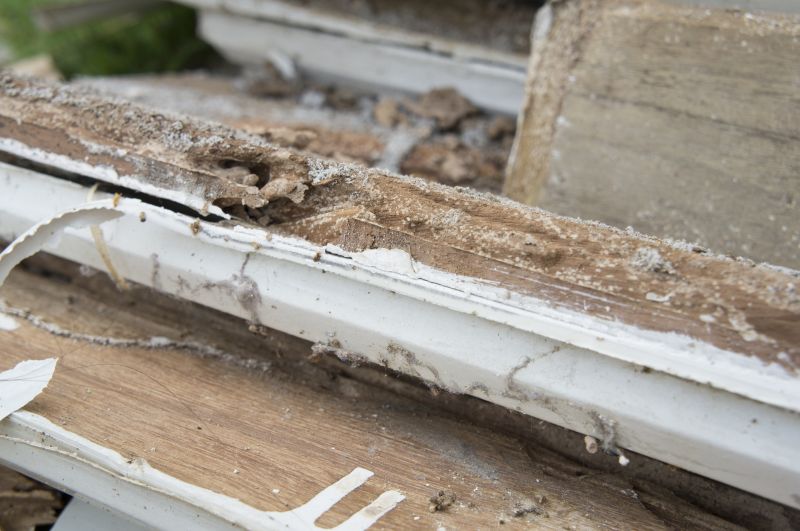
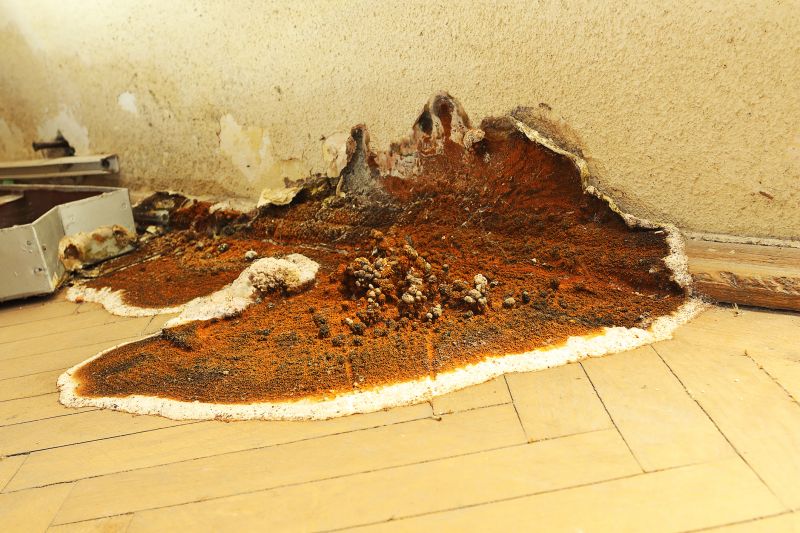
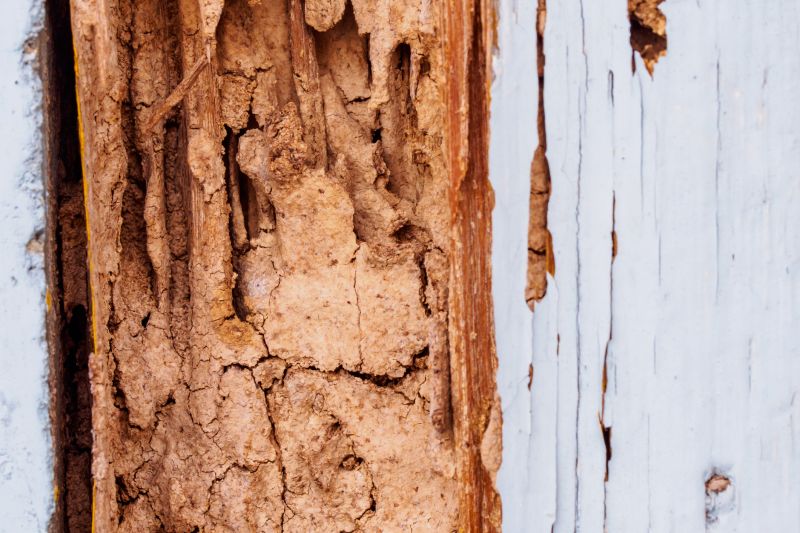
Early signs of dry rot include spongy wood and visible decay in structural areas.
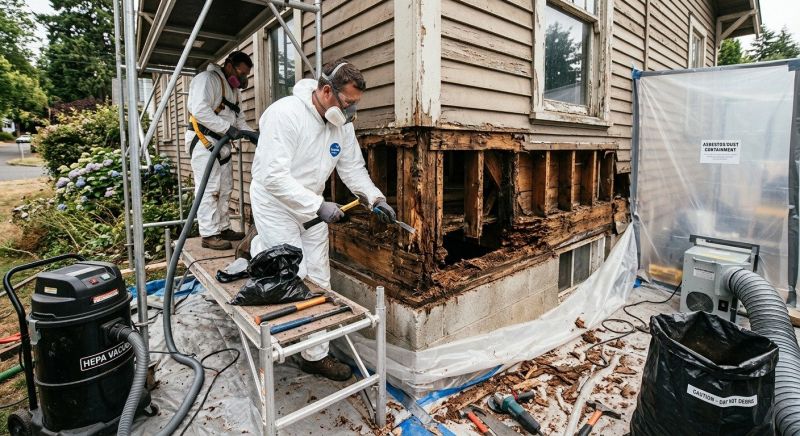
Remediation Techniques
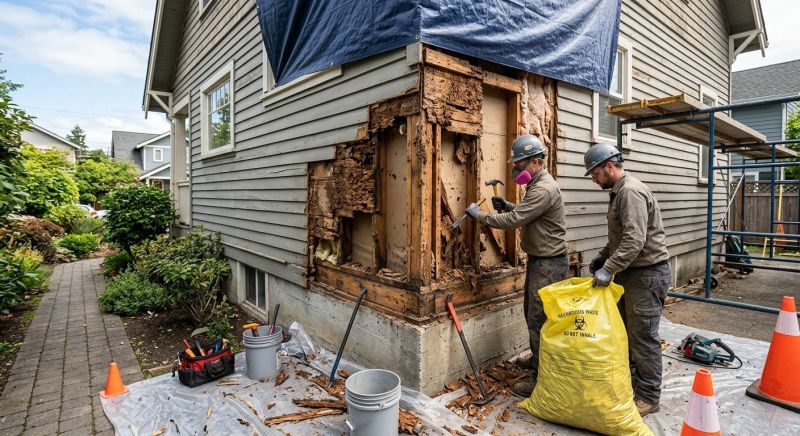
Effective dry rot removal involves removing affected wood and treating surrounding areas to prevent recurrence.
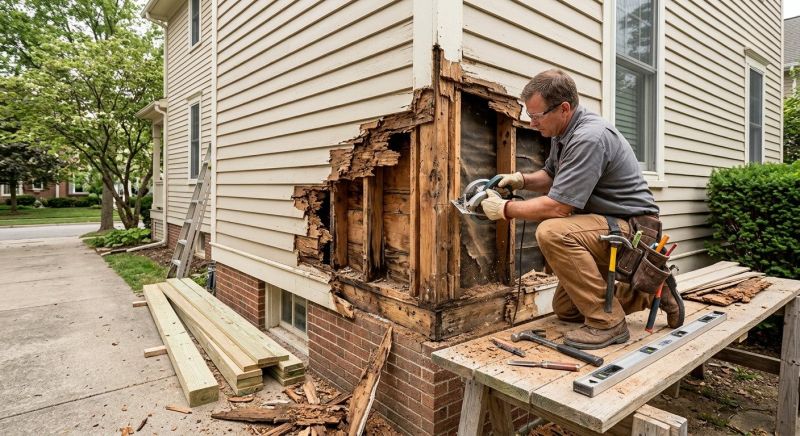
Preventing Future Dry Rot
Proper ventilation and moisture control are key to reducing the risk of dry rot in denver properties.
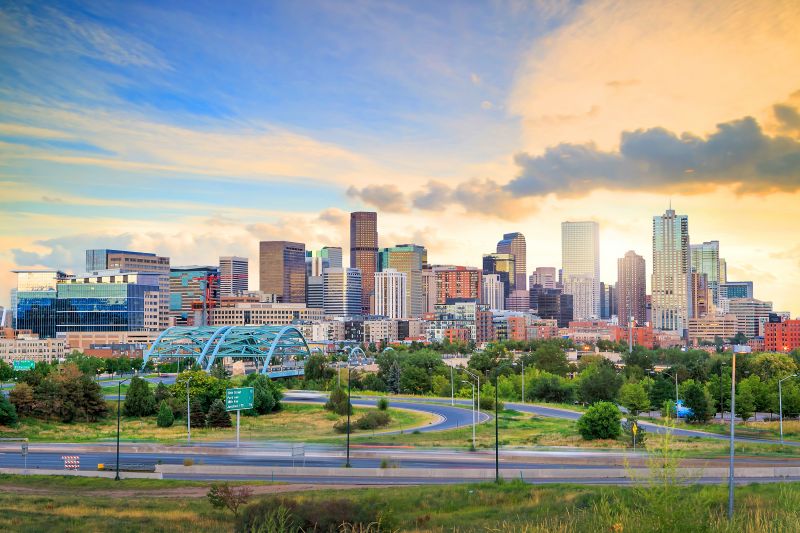
Dry Rot Remediation in Denver, CO
Dry rot remediation services focus on identifying and removing wood decay caused by certain fungi that thrive in damp, poorly ventilated conditions. These services are typically requested for projects involving damaged framing, beams, joists, or other structural elements in residential properties. Property owners often want to understand the extent of the affected areas, the underlying moisture issues contributing to the rot, and the best methods for restoring or replacing compromised wood to ensure the safety and stability of the building.
Before requesting dry rot remediation, homeowners should consider the scope of the damage and whether moisture control measures are necessary to prevent future issues. It's also helpful to know if affected materials need to be entirely replaced or if they can be treated and preserved. Understanding the process involved, including inspection, removal of decayed wood, and addressing underlying moisture problems, can assist property owners in planning for effective repair and ongoing maintenance.
Many property owners in Denver, CO look into Dry Rot Remediation for repairs, replacements, upgrades, and appearance-related improvements.
Common Dry Rot Remediation Jobs
Dry Rot Remediation - addresses wood decay caused by fungal growth to protect structural integrity.
Residential repairs - involves removing and replacing affected wood in homes and properties.
Property inspections - identifies areas at risk of dry rot to prevent further damage.
Structural restoration - restores compromised wood and framing to ensure safety and stability.
Moisture control - implements measures to reduce humidity and prevent future fungal growth.
Damage prevention - helps maintain property value by addressing dry rot early and effectively.
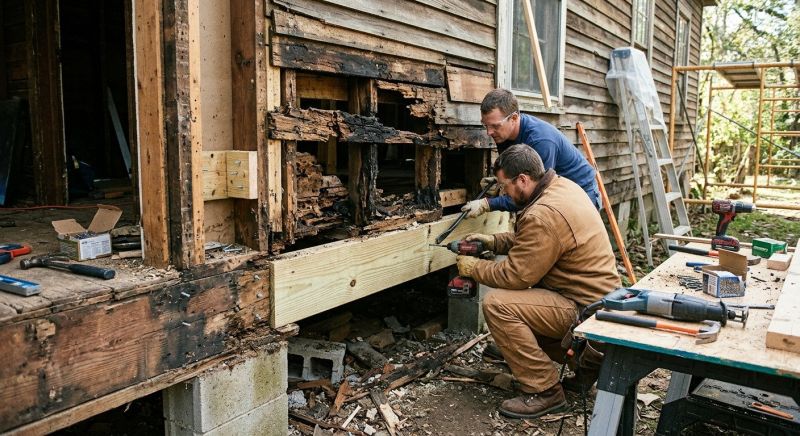
Dry Rot Remediation Questions
What is dry rot? Dry rot is a type of wood decay caused by fungal growth that breaks down wood fibers, leading to structural damage if untreated.
How can dry rot be identified? Signs include spongy or cracked wood, a musty odor, and visible fungal growth or discoloration on affected surfaces.
What are common areas affected by dry rot? Dry rot often occurs in damp, poorly ventilated areas such as basements, crawl spaces, attics, and around leaking pipes.
Why is prompt remediation important? Addressing dry rot quickly helps prevent further structural damage and reduces the risk of mold and other related issues.
Request Dry Rot Remediation in Denver, CO
Use the quote form on this page to share the basics of your project and request more information for the type of work you need.